
In today’s fast-paced industrial and warehouse environments, equipment downtime is more than just an inconvenience-it can significantly impact productivity, profitability, and customer satisfaction. Whether you’re operating rapid doors, loading dock equipment, safety barriers, or warehouse infrastructure, preventative maintenance is one of the most effective ways to ensure your assets continue performing at their best.
What is Preventative Maintenance?
Preventative maintenance is a proactive approach to equipment care. Rather than waiting for a breakdown to occur, scheduled inspections, servicing, adjustments, and repairs are carried out at regular intervals to identify and address potential issues before they become major problems.
This planned maintenance strategy helps businesses avoid unexpected failures, extend the lifespan of equipment, and maintain a safe working environment.
Reducing Costly Downtime
One of the most significant benefits of preventative maintenance is the reduction of unplanned downtime. When critical equipment fails unexpectedly, operations can come to a standstill. This can result in delayed deliveries, lost productivity, increased labour costs, and frustrated customers.
Regular inspections allow technicians to identify worn components, loose fittings, damaged seals, or electrical issues before they cause a complete failure. By addressing these minor issues early, businesses can avoid costly emergency repairs and keep operations running smoothly.
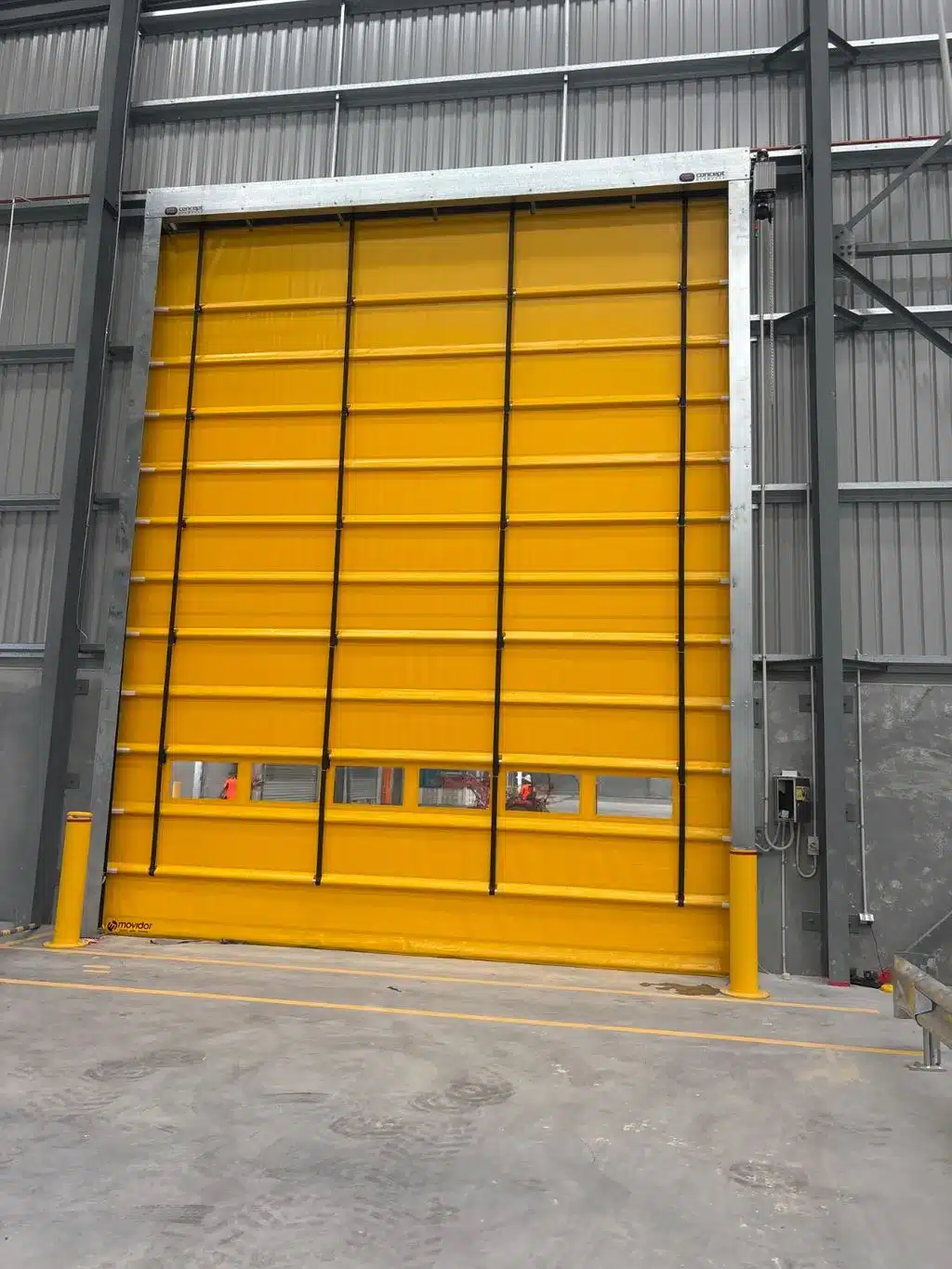
For facilities that rely on rapid doors, loading bay equipment, or automated systems, even a short period of downtime can have a considerable impact on efficiency and revenue.
Extending Equipment Lifespan
Industrial equipment represents a significant investment. Preventative maintenance helps maximise that investment by extending the operational life of assets.
Components such as motors, rollers, hinges, springs, sensors, and control systems naturally experience wear over time. Routine servicing ensures these components are cleaned, lubricated, adjusted, and replaced when necessary.
By maintaining equipment in optimal condition, businesses can delay costly replacements and achieve greater value from their assets over many years.
Improving Workplace Safety
Safety should always be a top priority in any warehouse, manufacturing facility, or industrial site. Faulty equipment can create serious hazards for employees, contractors, and visitors.
Preventative maintenance helps ensure safety systems are functioning correctly and that equipment remains compliant with relevant standards and regulations. Regular inspections can identify issues such as damaged safety edges, malfunctioning sensors, worn mechanical parts, or structural weaknesses before they become a risk.
Well-maintained equipment not only protects people but also helps organisations avoid potential legal liabilities and workplace incidents.
Enhancing Operational Efficiency
Equipment that is regularly serviced performs more efficiently. Doors open and close at the correct speed, dock levellers operate smoothly, and safety barriers continue to provide effective protection.
When equipment operates as intended, businesses benefit from improved workflow, reduced delays, and greater overall productivity. Preventative maintenance ensures systems continue to deliver peak performance, helping facilities maintain efficient day-to-day operations.
For temperature-controlled environments, such as food processing and cold storage facilities, maintaining rapid doors can also improve energy efficiency by reducing air loss and maintaining consistent internal temperatures.
Lowering Long-Term Maintenance Costs
Many businesses view maintenance as an expense, but preventative maintenance should be considered an investment. Emergency call-outs and major repairs are typically far more expensive than routine servicing.
A preventative maintenance programme allows businesses to budget for maintenance costs more effectively while reducing the likelihood of expensive breakdowns. Small repairs completed during scheduled maintenance visits often prevent larger, more costly failures in the future.
Over time, this proactive approach can deliver significant cost savings and improve overall asset management.
Supporting Compliance and Insurance Requirements
Many industries have specific safety and operational requirements that must be met. Regular maintenance records provide evidence that equipment is being properly maintained and inspected.
This documentation can be valuable during audits, compliance checks, and insurance assessments. Demonstrating a commitment to preventative maintenance can also help minimise risks associated with equipment failure and workplace accidents.
The Value of Professional Maintenance Services
While some basic inspections can be performed in-house, professional preventative maintenance programmes provide the expertise needed to identify issues that may otherwise go unnoticed.
Qualified technicians understand the specific requirements of industrial doors, dock equipment, barriers, and other warehouse infrastructure. Their experience allows them to spot early warning signs and recommend solutions before problems escalate.
A tailored maintenance plan ensures critical equipment receives the attention it needs while minimising disruption to daily operations.
Conclusion
Preventative maintenance is not simply about fixing equipment-it’s about protecting your investment, improving safety, increasing operational efficiency, and reducing long-term costs.
By adopting a proactive maintenance strategy, businesses can minimise downtime, extend equipment lifespan, and maintain smooth, reliable operations throughout the year. In an environment where productivity and safety are critical, preventative maintenance is one of the smartest investments any organisation can make.
If you’re looking to improve equipment reliability and reduce unexpected breakdowns, speak to our team about developing a preventative maintenance programme tailored to your facility’s needs.