
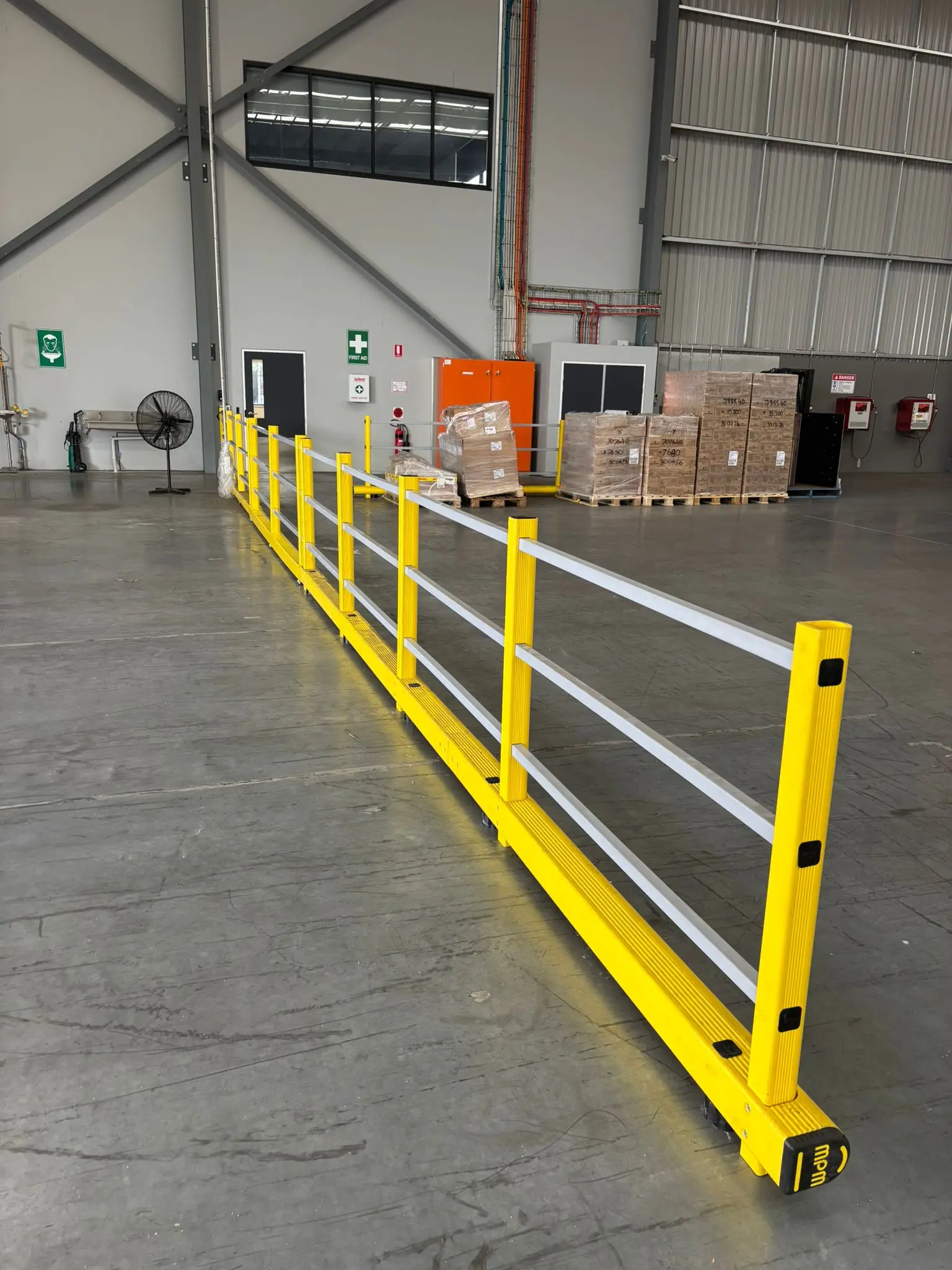
For decades, steel has been a familiar choice for impact protection in warehouses, distribution centres and industrial facilities. It’s strong, highly visible and widely used to separate vehicles, equipment, infrastructure and pedestrians.
But when it comes to modern industrial safety barriers, strength alone isn’t the only factor to consider.
DEFLEX flexible safety barriers offer a different approach to impact protection. Rather than relying on a completely rigid structure, flexible barriers are designed to absorb impact energy and flex when struck before recovering their shape.
So, when comparing DEFLEX vs steel safety barriers, what are the differences – and why are more facilities considering flexible barrier systems?
1. DEFLEX Is Designed to Flex Under Impact
One of the biggest differences between a flexible safety barrier and a traditional steel barrier is how the system responds when an impact occurs.
Steel is rigid. When struck by a forklift or other workplace vehicle, the force of the impact can be transferred through the barrier and into its fixings and the floor.
A DEFLEX barrier is designed to behave differently.
The flexible construction allows the barrier to deflect under impact, helping to absorb and dissipate impact energy before recovering its shape.
In busy warehouses and industrial facilities where vehicle movements are part of everyday operations, this ability to flex can provide an important advantage.
2. Reduced Potential for Damage to Floors and Fixings
The barrier itself isn’t the only consideration following an impact.
When a rigid steel barrier is hit with sufficient force, the impact can affect mounting points and potentially damage the surrounding floor. This may result in repair work being required not only to the barrier, but also to the area where it has been installed.
Flexible DEFLEX impact protection is designed to absorb energy rather than simply resisting the impact through a rigid structure.
This can help reduce the force transferred into the floor and fixings, potentially reducing the maintenance and disruption associated with impacts over the life of the barrier system.

3. No Rust or Corrosion
Steel and moisture aren’t always the best combination.
Depending on the environment and the type of barrier installed, steel barriers may require ongoing attention to protect their appearance and condition. Scratches or chipped coatings can also leave the underlying material exposed.
DEFLEX flexible barriers don’t have the same rust and corrosion concerns associated with traditional steel.
For facilities looking at the longer-term maintenance requirements of their warehouse safety barriers, this is an important consideration.
4. Less Repainting and Maintenance
Impact damage to painted steel doesn’t always stop at a bent barrier.
Scratches, chips and damaged coatings can leave steel protection looking tired, particularly in high-traffic areas where impacts are more likely to occur.
That can mean straightening, repairing, replacing or repainting damaged sections.
Because DEFLEX barriers are manufactured from flexible polymer material, there is no painted steel surface to continually touch up following everyday knocks and impacts.
Reducing ongoing barrier maintenance can be particularly valuable across large warehouses, manufacturing plants and distribution centres with multiple areas requiring industrial impact protection.
5. Designed for Busy Industrial Environments
Safety barriers have an important job to do.
In facilities where forklifts, pallet trucks, machinery and pedestrians operate in close proximity, effective separation can help create clearly defined traffic routes and protect vulnerable areas.
Depending on the application, DEFLEX safety barriers can be used to help protect:
- Pedestrian walkways
- Racking and storage systems
- Machinery and equipment
- Walls and structural areas
- Loading and operational zones
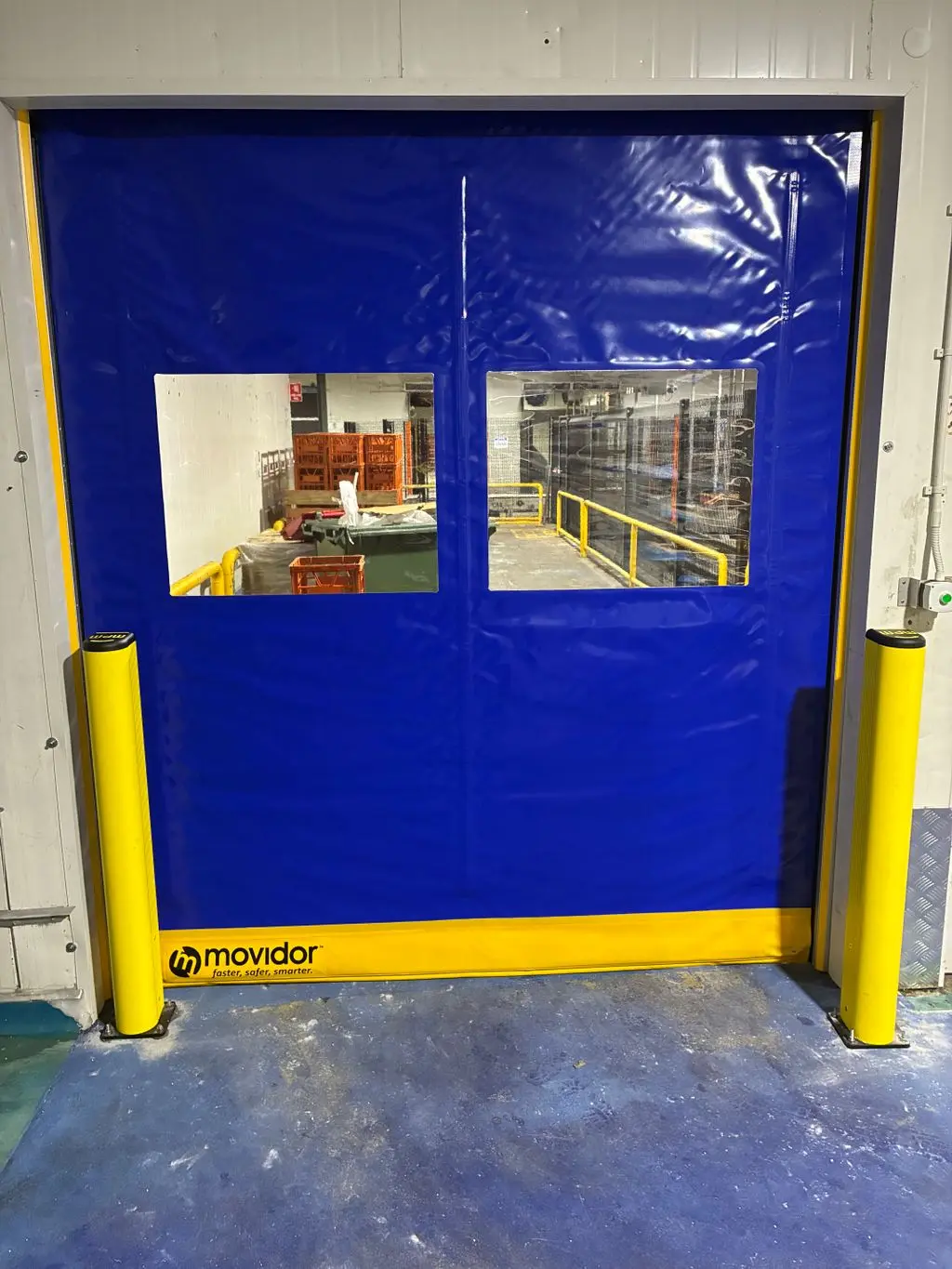
- Doorways and access points
- Other vulnerable infrastructure
Choosing the correct barrier system should always take into account the type of traffic, potential impact forces, layout and specific risks within the facility.
DEFLEX vs Steel: Think Beyond the Initial Impact
Steel barriers remain suitable for many applications, but facilities now have more options when considering warehouse impact protection.
The real comparison isn’t simply which material feels stronger.
It is how the barrier responds when an impact actually happens – and what happens afterwards.
Does the barrier absorb the impact or transfer the force elsewhere? Will it recover its shape? Could the floor or fixings require repair? Will the barrier need repainting or replacement? And what are the likely maintenance requirements over its working life?
These are all factors worth considering when selecting an industrial safety barrier system.
Discover DEFLEX Safety Barriers with Concept Products
At Concept Products, we provide safety and protection solutions designed for demanding industrial and commercial environments.
DEFLEX flexible safety barriers provide an alternative to traditional steel, combining impact-absorbing performance with durability and reduced maintenance requirements. Designed to flex under impact and recover their shape, they can help protect people, equipment and infrastructure while reducing the potential for costly repairs and disruption following an impact. From pedestrian segregation and racking protection to machinery, walls and busy operational areas, the right DEFLEX solution can be selected to suit the specific risks and requirements of your facility.
If you’re reviewing your existing warehouse safety barriers or looking for a more flexible approach to industrial impact protection, speak to the Concept Products team.
DEFLEX takes a different approach: absorb the impact, flex and recover. Because when it comes to impact protection, sometimes it pays to flex.
Contact Concept Products today to discuss DEFLEX flexible safety barrier solutions for your facility